Healthy aging for men often centers on strength and energy, yet the bladder and prostate deserve equal attention. I’ve spent years working with men who want practical, doable steps to stay comfortable and active as they move through their 40s, 50s, and beyond. What follows is a grounded approach that blends everyday habits with a longer view of inflammation reduction and long term prostate care.
The everyday basics that matter most
A lot of the work happens in small, consistent choices. Hydration matters, but so does timing. I’ve watched men improve sleep and reduce nighttime urination by shaping when and how they drink, especially in the evenings. A simple pattern can help: sip water with meals, keep a steady level during the day, and reduce fluids two hours before bed. Food choices carry weight too. A focus on whole foods with lean proteins, colorful vegetables, and healthy fats supports a calmer inflammatory profile, which in turn supports urinary comfort and prostate health.
In practice, this means breakfast with protein and fiber, lunch that balances carbs and greens, and a dinner that emphasizes lightly cooked vegetables and sources of omega 3s. For some, spicy foods or caffeine late in the day can irritate the bladder. If that’s the case, note the pattern and adjust gradually. Everyone’s sensitivity is a little different, and small shifts can yield meaningful results over weeks.
Movement and rest as allies
The body thrives on movement, and a steady routine can change the feel of daily ProtoFlow review 2026 life. I’ve seen men regain confidence in bladder control when they couple regular activity with deliberate rest. Aim for a mix: brisk walks most days, a couple of strength sessions weekly, and mindful breathing or light stretching on off days. The idea is not to push through pain but to create resilience in the pelvic region and improve circulation without creating strain.
Sleep is another big player. If you wake at night to urinate, a routine that prioritizes wind-down time and a cool, dark bedroom often helps. The pattern is not magical, but it is practical: consistent bed and wake times, a cool room, and a wind-down ritual free of screens for the last 30 minutes. The payoff is broader than sleep alone. Better rest supports daytime focus, mood, and the energy you bring to daily tasks, including those that affect urinary comfort.
Prostate-friendly strategies that fit into real life
A few approaches consistently resonate with men who want to stay active and reduce urgent calls to the bathroom. First is awareness of medications and supplements. Some over the counter decongestants can influence urine flow, so it is worth speaking with a clinician about what you take daily. If anything is timed around symptoms, you may discover it affects nighttime urination in subtle ways.
Second, consider a broader view of inflammation. Chronic, low level inflammation can influence a range of systems, including the urinary tract. Simple steps can help reduce it: emphasize fatty fish a couple of times per week, add extra servings of vegetables rich in polyphenols, and limit highly processed foods that spike blood sugar or promote gut discomfort. A practical note here is to watch portions and celebrate progress rather than pursue perfection. Small reductions compound over time.
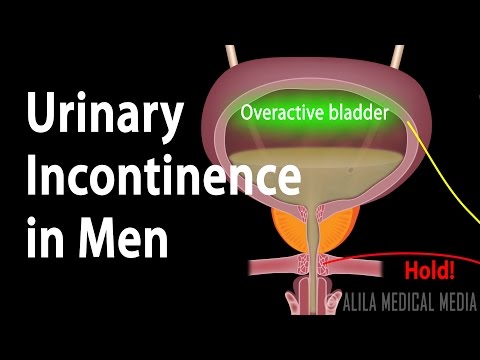
Third, implement sustainable routines for bladder training. This is not about forcing a difficult pattern but about building confidence. A gentle approach might include scheduled bathroom trips, gradually extending the interval between urges, and practicing pelvic floor exercises in a relaxed, consistent way. Over weeks this builds control and can lessen nighttime awakenings.
A practical example from the field
One client, a 52 year old with mild nocturia, started with a 20 minute walk after dinner, cut evening caffeine, and introduced a simple pelvic floor routine twice daily. Within six weeks he reported fewer awakenings and felt more rested overall. He did not overhaul his life overnight, but he did implement small, repeatable actions that fit his schedule. Real change came from consistency, not perfection.
Long term strategies for sustainable wellness
Natural prostate care grows from a coherent plan rather than isolated tricks. Think of it as a map rather than a quick fix. Begin with a baseline: write down daily habits for two weeks. Note sleep quality, daytime energy, and any changes in urinary symptoms. Use this log to identify patterns and opportunities for adjustment.
From there, build a simple framework you can repeat year after year. A workable structure looks like this: prioritize sleep hygiene, maintain an anti inflammatory diet, keep moving, and nurture pelvic health with steady exercises. It is not about heroic feats but about reliable routines that support aging with vitality.
Here are a few concrete steps to consider as you chart your path:

- Keep a consistent hydration pattern and limit late evening fluids. Choose meals that emphasize whole foods, especially vegetables, whole grains, and fish. Include a few minutes of pelvic floor work each day, paired with breathing. Review medications and supplements with a clinician to rule out unintended effects on urinary health. Set realistic goals for activity and sleep, and adjust as life changes.
Constructing a daily wellness habit that ages well
The most powerful part of any plan is the day to day rhythm. A practical schedule might look like this: a morning stretch with light resistance work twice a week, a long walk on most days, and a focus on sleep rituals as the sun goes down. After a month, you’ll likely notice more consistent energy, better mood, and a more predictable urinary pattern. The changes are rarely dramatic at first, but they accumulate and create a buffer for the future.
I’ve learned that every man has a different threshold and a unique set of priorities. For some, quiet evenings with a book and a cup of tea matter as much as late night workouts. For others, a family schedule with weekend hikes becomes the anchor. The key is to stay curious about what helps your body feel calmer, more capable, and less reactive to daily stress.

If you’re looking for a place to start, begin with one small change this week. A two mile daily walk and a 10 minute pelvic floor routine can set a tone that carries through months ahead. Over time, these habits become part of who you are, not just what you do.
With steady care, the path toward natural male vitality is less a sprint and more a long, steady journey. It centers on practical daily decisions, a balanced approach to inflammation, and a view of growing older that honors comfort, control, and overall well being.